If you have a tooth that hurts, you are probably wondering whether it can be saved or whether it needs to come out. That question, root canal vs extraction, is one we hear often from neighbors at our office in Pasadena, and it deserves a calm, plain-language answer. There is no single right choice for everyone. The best option depends on what is happening inside your tooth, how much healthy structure is left, and what matters most to you.
This guide explains what each treatment involves, what dental organizations say about keeping natural teeth, and which questions to bring to your appointment. It is general information, not a diagnosis. Only an exam and X-rays can tell you what your own tooth needs.
What is actually going on inside a painful tooth
Every tooth has a soft center called the pulp, which holds nerves and blood vessels. When deep decay, a crack, a leaky old filling, or an injury lets bacteria reach the pulp, it can become inflamed or infected. According to the National Institute of Dental and Craniofacial Research, untreated tooth decay can progress deeper into the tooth over time, which is one reason early attention matters.
Pain is a common signal, but not the only one. Some people notice:
- Lingering sensitivity to hot or cold
- Pain when chewing or biting down
- A darkening tooth
- A small bump on the gum near the tooth
- Swelling in the gum or face
Others feel nothing at all, even though an infection is quietly developing. A tooth that suddenly stops hurting has not always healed. If you have been putting off a visit because of nerves or a busy schedule, you are not alone, and nobody here will judge you for it.
What a root canal involves
A root canal treats the inside of the tooth so you can keep it. The dentist numbs the area, removes the inflamed or infected pulp, cleans and shapes the inner canals, and seals them. Most treated teeth are then covered with a crown, because a tooth without its pulp can be more brittle over time.
The reputation for pain is mostly out of date. The American Association of Endodontists explains that modern root canal treatment is meant to relieve pain, and many patients find the procedure comparable to having a filling placed. The American Dental Association's MouthHealthy site also describes root canal treatment as a way to save a tooth that might otherwise be lost. Dental organizations generally encourage keeping the natural tooth when it can reasonably be restored, since your own tooth is hard to improve on for chewing, appearance, and holding neighboring teeth in place.
At our office, root canals are done with comfort first. We explain each step before it happens, check that you are fully numb, and pause whenever you need a break.
What an extraction involves
An extraction removes the whole tooth. For a simple extraction, the area is numbed and the tooth is loosened and lifted out. If the tooth is broken at the gumline or has curved roots, a surgical approach may be needed, which can involve a small incision. Either way, anesthesia means you should feel pressure rather than sharp pain.
Extraction is sometimes the more appropriate choice. Common situations include:
- A tooth too badly broken or decayed to be restored
- A crack that extends below the bone line
- Advanced gum disease that has left the tooth loose
- A tooth that has already failed after earlier treatment
As a typical range, not a promise, most people feel noticeably better within a few days, while the socket keeps healing over the following weeks. Common guidance includes protecting the blood clot that forms in the socket, avoiding straws and vigorous rinsing early on, and eating soft foods. Your dentist's own instructions always come first, and some soreness and mild swelling are normal.
Root canal vs extraction: comparing them honestly
When people weigh root canal vs extraction, they usually ask about four things. Neither option wins in every case.
Long-term outcomes. A tooth saved with a root canal and a proper restoration can last many years, but only if enough sound tooth remains to rebuild. If the tooth is too compromised, extraction may be healthier and more predictable. We will not promise an outcome, because it depends on your specific tooth.
Number of visits. A root canal often takes one or two visits, followed by a visit for the crown. An extraction is usually a single visit, though replacing the tooth adds appointments later.
Cost. Extraction often costs less up front. Over time, replacing a missing tooth with an implant, bridge, or partial can cost more than a root canal and crown. Insurance coverage varies by plan, so compare the whole path, not just the first step. If cost is a concern, tell us. We offer payment plans and will talk through numbers before you commit to anything.
Neighboring teeth and bite. A gap can allow nearby teeth to drift or tilt, and the opposing tooth may shift too. That can change how you bite and make cleaning harder. Keeping the natural tooth avoids this, which is part of why dental organizations lean toward saving teeth when possible.
If a tooth does come out: replacement options
If a tooth is extracted, it is worth talking about replacing it, even if you do not decide right away. The main options are a dental implant, a bridge anchored to the neighboring teeth, or a removable partial denture. An implant replaces both the root and the visible tooth, and your dentist can walk you through how the process works. Each option has trade-offs in cost, maintenance, and feel, and knowing them early keeps a missing tooth from becoming a bigger problem.
Questions to ask your dentist
Whether you see us or another office, these questions can help you feel in control of the decision:
- How much healthy tooth structure remains, and is it enough to support a crown?
- What does the outlook look like for my particular tooth, and what affects it?
- What would a crown involve, including visits and cost?
- If we extract, what are my replacement options and when would we need to decide?
- What will recovery look like, and what should I do if something feels wrong?
A good dentist welcomes these questions and will show you the X-rays so you can see what they see. A second opinion is also perfectly reasonable for a decision this important.
How we approach this decision at our Pasadena office
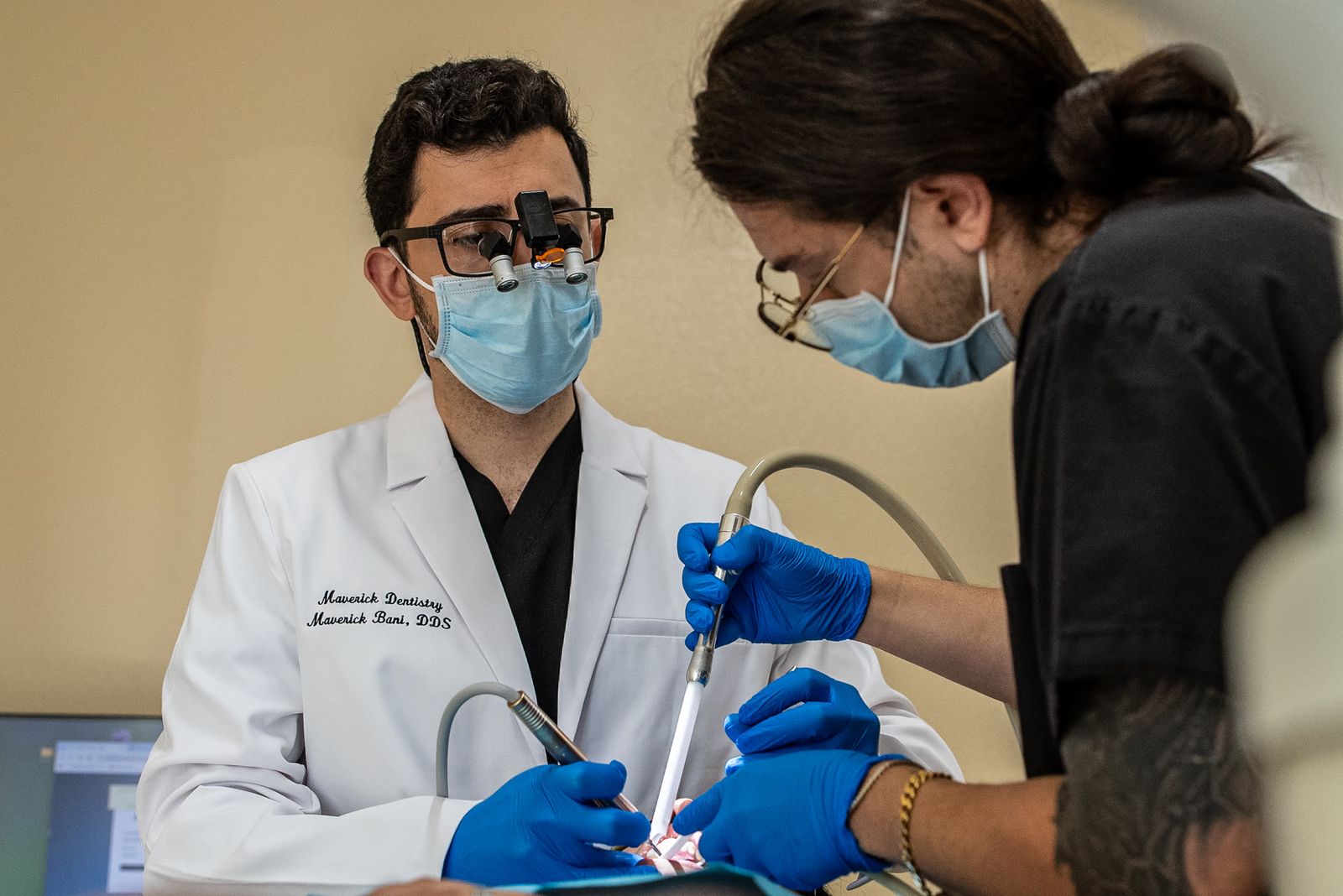
At Maverick Dentistry, we offer both root canals and tooth extractions at our Lake Avenue office in Pasadena, so you can talk through both paths in one visit rather than being steered toward a single answer. Dr. Bani earned his bachelor's degree and his dental degree at UCLA, takes a research-based approach, and uses modern digital diagnostics to see what is happening beneath the surface.
The visit is simple. We listen to your symptoms, examine the tooth and surrounding gums, review the images with you in plain language, and lay out what we see. If saving the tooth looks reasonable, we will say so. If extraction is the healthier choice, we will say that too, along with what comes next. There is no pressure and no scare tactics.
Many of our patients are nervous, and some have not seen a dentist in years. That is completely fine. Tell us what worries you and we will adjust the pace. We offer weekday and Sunday appointments, which helps neighbors from Altadena or South Pasadena who cannot easily get away during the workday, and the office is an easy drive from the 210 freeway.
If you would like to know what others say, find our practice on Google Maps and read reviews on both Google and Yelp. Both are useful places to get a feel for the office before you come in.
Frequently asked questions
How does a Pasadena dentist decide between a root canal and an extraction?
It starts with an exam and digital X-rays to see how deep the problem goes, how healthy the surrounding gum and bone are, and how much solid tooth remains. At our Pasadena office, we walk through those images with you and explain whether a root canal and crown looks reasonable or whether extraction is the safer path. The final choice is yours, and we are happy to take time with it.
Does a root canal hurt more than an extraction?
Neither should hurt during the procedure, because both are done with local anesthetic. Afterward, you may have some soreness for a few days with either one, usually manageable with the pain relief your dentist recommends. Many people find the infection or toothache beforehand was far worse than the treatment.
What happens if I wait to decide between a root canal vs extraction?
Waiting can let decay or infection progress, which may narrow your options, so ask your dentist what a safe timeline looks like. Do not wait if you have facial swelling, fever with tooth pain, trouble swallowing or breathing, or severe pain that does not ease. Call a dentist right away, or go to an emergency room if you cannot reach one.
If a tooth is bothering you, we would be glad to help you sort through your options without pressure. Contact our Pasadena office to set up a visit, and let us know about any worries or cost concerns so we can plan around them.